A DCA futures bot with risk limits you define
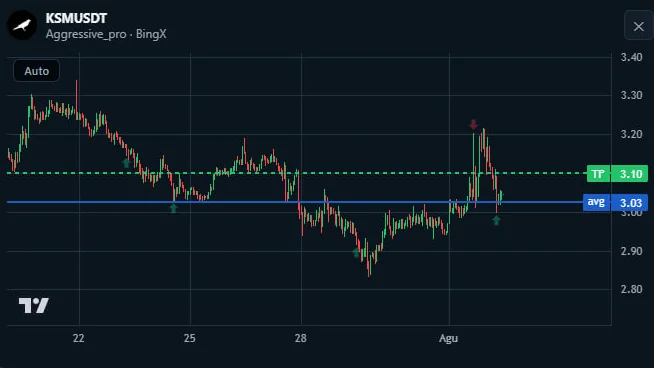
The DCA bot opens a position, adds when price moves against you if you allow it, and closes at a target computed from the average entry. All within limits you set yourself.
DCA without limits is a slow way to lose capital.
Adding to a position with no exit plan and no cap on additions turns a strategy into hope. This DCA bot separates the schedule (when the bot may look) from the filters (whether it actually buys), and caps the number of averaging orders.
Step by step.
Set size and leverage
Order size is margin, not position value; position value = margin × leverage. Leverage magnifies gains and losses equally and brings liquidation closer.
Define averaging and the target
How many times the bot may add, with the profit target computed from the current average entry. Adding is optional.
Test first, then run
Backtest the settings against historical data for the same pair, straight from the builder.
Risk brakes
A daily loss or drawdown limit stops the bot automatically. If the subscription ends, running positions are still managed until they close.
What you should know.
Does the DCA bot guarantee a better average?
No. Adding shifts the average price, but it also increases exposure. The cap on additions and the risk brakes exist for exactly that reason.
How is the DCA bot different from the Grid bot?
DCA adds in one direction when price moves against you; Grid places a ladder of orders across a price range you set or one built from ATR.
Which exchanges can it run on?
Binance, Bybit, OKX, Bitget, BingX, Gate, HTX, KuCoin, MEXC.